- September 30, 2026
ADRRN member DiMaNN (National Disaster Management Network Nepal) is working with civil society in Nepal on a flood response that is coordinated, accountable and centred on the people affected. It is doing this through dialogue in Kathmandu and through its members’ relief work in the affected districts.
A disaster on a massive scale
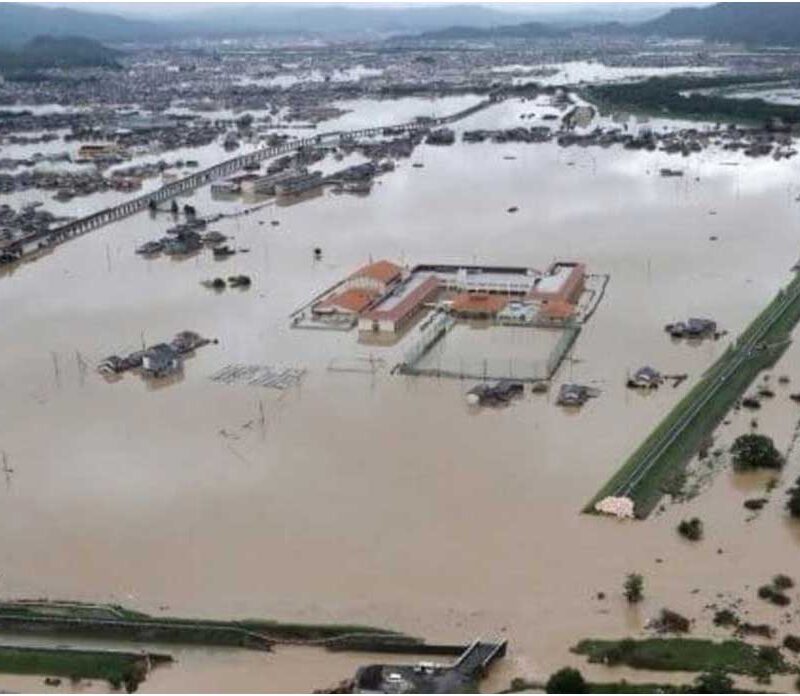
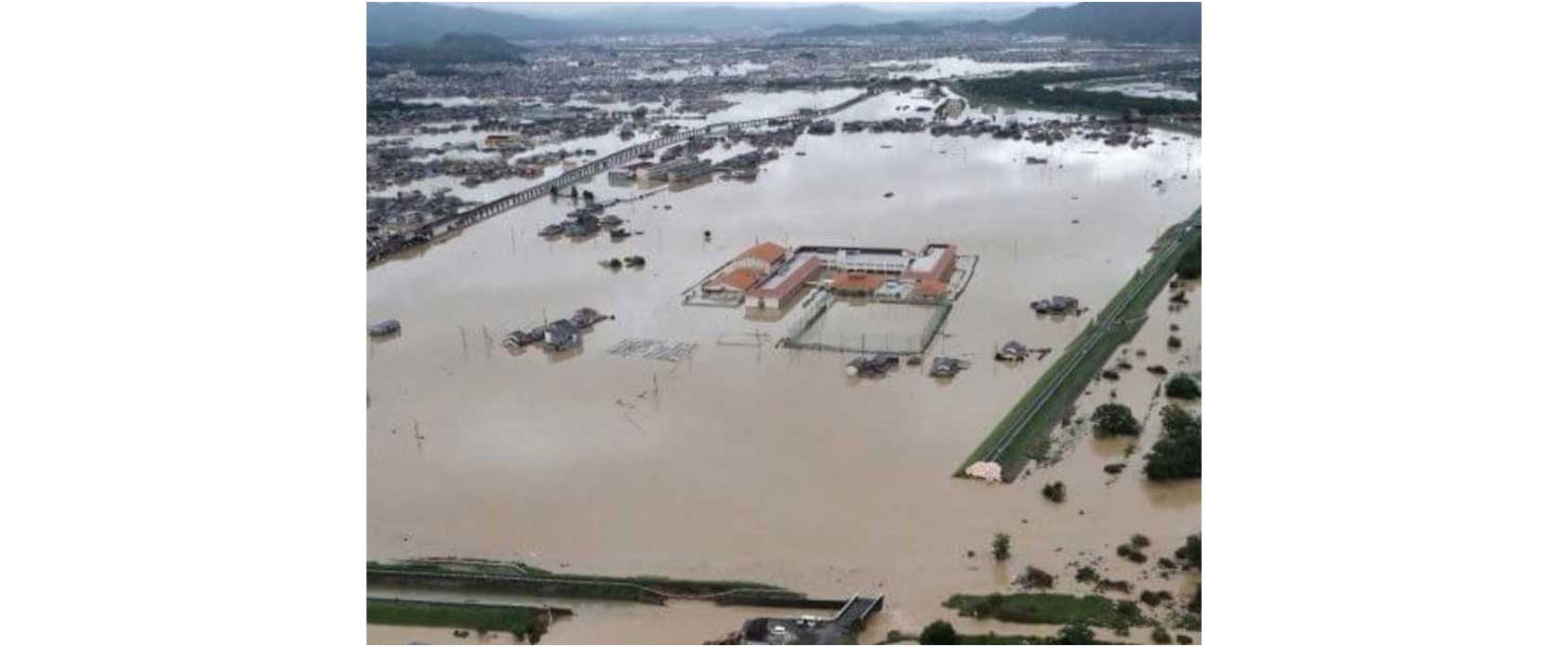
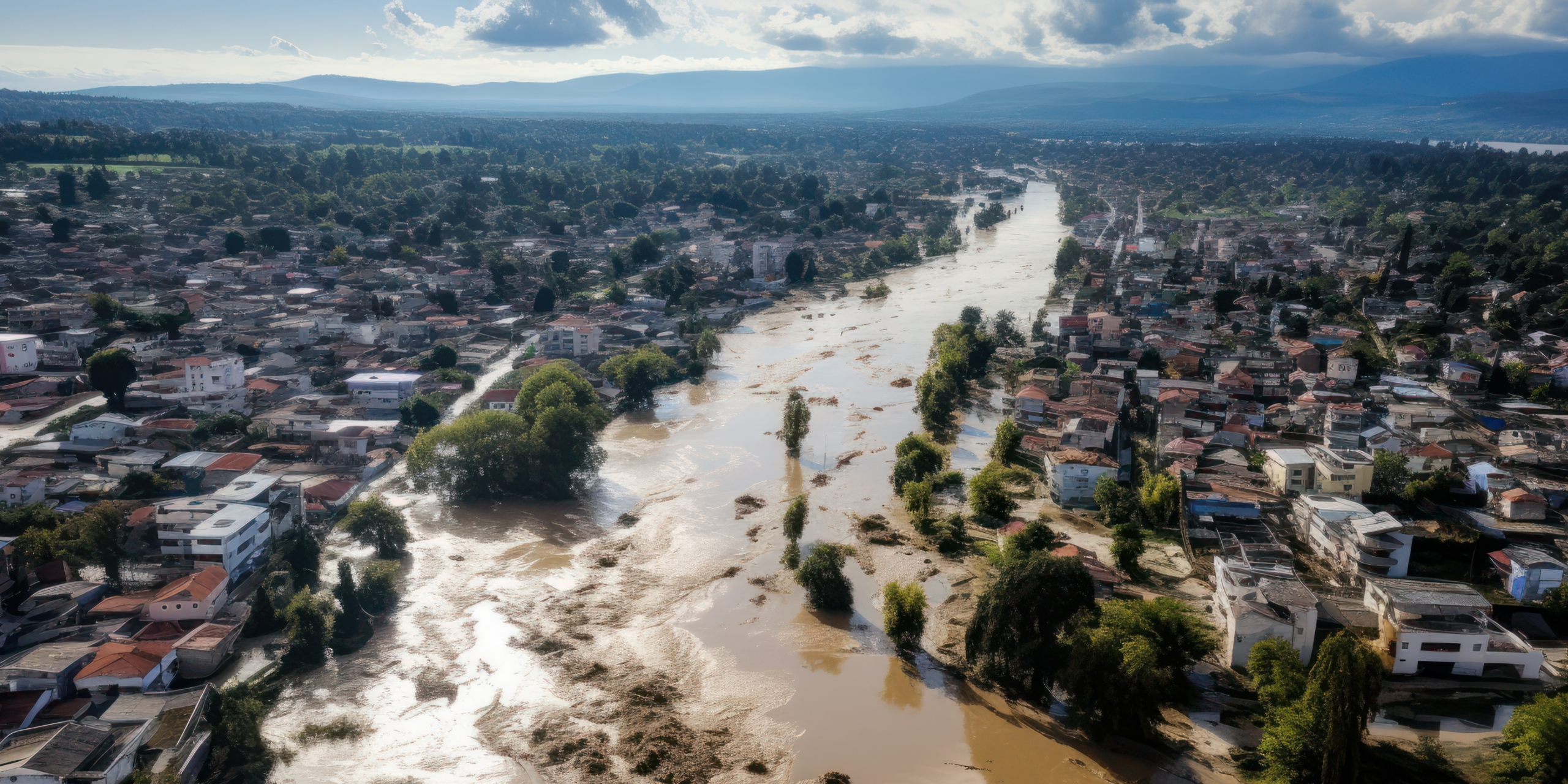
The 2026 Rasuwa–Bhotekoshi floods are among the most severe Nepal has seen in recent years. They have hit communities across six districts and 17 municipalities. Families have been displaced into holding centres, and thousands of people are still unaccounted for. Government figures as of 16 September:
- 84,270 people affected, including 32,021 children and 1,854 persons with disabilities
- 1,403 deaths recorded, with 6,150 people still listed as missing
- 13,742 people rescued
- 2,096 people sheltering in 29 holding centres across Rasuwa, Nuwakot and Dhading
Bringing civil society to one table
On 16 September 2026, DiMaNN and the NGO Federation of Nepal convened a civil society dialogue under the NGO Group of Nepal’s National Platform for Disaster Risk Reduction. Around 50 organisations met at the NGO Federation office in Buddhanagar, Kathmandu. They reviewed the rescue and relief effort so far, identified gaps and agreed on practical steps for the recovery phase.
Surya Bahadur Thapa, President of DiMaNN and the NGO Group, chaired the programme. Arjun Bhattarai, President of the NGO Federation of Nepal, opened the dialogue. DiMaNN advisors Dr. Sunita Sharma and Shyam Sundar Gyawali led a session on the Sphere Standards and the Core Humanitarian Standard (CHS). The session covered what the standards require, how they have been applied in relief distribution so far, and why dignity and quality matter as much as the volume of aid.
Gaps on the ground
Participants spoke openly about where the response is falling short. The main concerns were:
- Coordination: Local coordination and information-sharing between government, civil society and humanitarian agencies are weak.
- Visibility: No one has a consolidated picture of which organisation is supporting how many families, where, and through which mechanism.
- Standards: Many organisations lack the practical capacity to apply Sphere and CHS consistently.
- Data: Reliable, shared data on displaced families and response coverage is missing.
- Inclusion: Older people, pregnant and postpartum women, children and other vulnerable groups are not getting enough attention.
- Basic services: Holding centres are short of toilets, which puts people’s dignity, health and safety at risk.
Dignity and equity as guiding principles
The dialogue kept coming back to one point: relief should be judged by how it treats people, not only by how much is delivered. Speakers called for humanitarian standards that are adapted to Nepal’s context and monitored in practice. They also asked for stronger safeguarding across all organisations. Mr. Thapa said equitable resource allocation must stay a priority at every stage, from rescue through to reconstruction. Gobinda Bahadur Sahi put it simply: in a disaster, affected people need relief, support and solidarity, not questions.
A ten-point agenda for relief and recovery
Participants agreed on a set of priorities to guide the response from here:
- Keep a shared, regularly updated record of who is providing what assistance, and where
- Build capacity on Sphere and CHS, and monitor how they are applied
- Find underserved areas and groups, and close the gaps
- Build safeguarding and gender equality, disability and social inclusion (GEDSI) into every stage
- Track basic facilities at temporary sites, including toilets
- Connect relief to temporary shelter, livelihoods and reconstruction
- Ask the government to clarify in writing its “one-door” system for channelling relief
- Put local organisations, local staff and community knowledge in the lead
- Strengthen data, documentation and support for families of missing persons
- Hold regular NGO Group and cluster meetings, and send consolidated recommendations to the government
The dialogue also called for a response that protects water sources and ecosystems, manages relief waste responsibly, and rebuilds communities that are greener and more resilient.
DiMaNN members in action
Alongside the policy dialogue, DiMaNN and its members are working directly with affected communities:
- CSN is responding to flood-affected communities in Nuwakot.
- Focus Nepal is running community-centred relief work in Dhading.
- DiMaNN has visited displaced Rasuwa families from Timure to Swayambhu to listen to their needs first-hand.
- DiMaNN has given relief packages to bereaved Rasuwa families observing mourning rites in Kathmandu.
What comes next
The dialogue’s recommendations will go to the government through the National Platform for Disaster Risk Reduction. DiMaNN will keep up regular policy discussions with experts and thematic groups. It will also work to mobilise national and international resources for the long road to recovery.
Download and read the full report here: DiMANN Workshop Report