- June 24, 2026
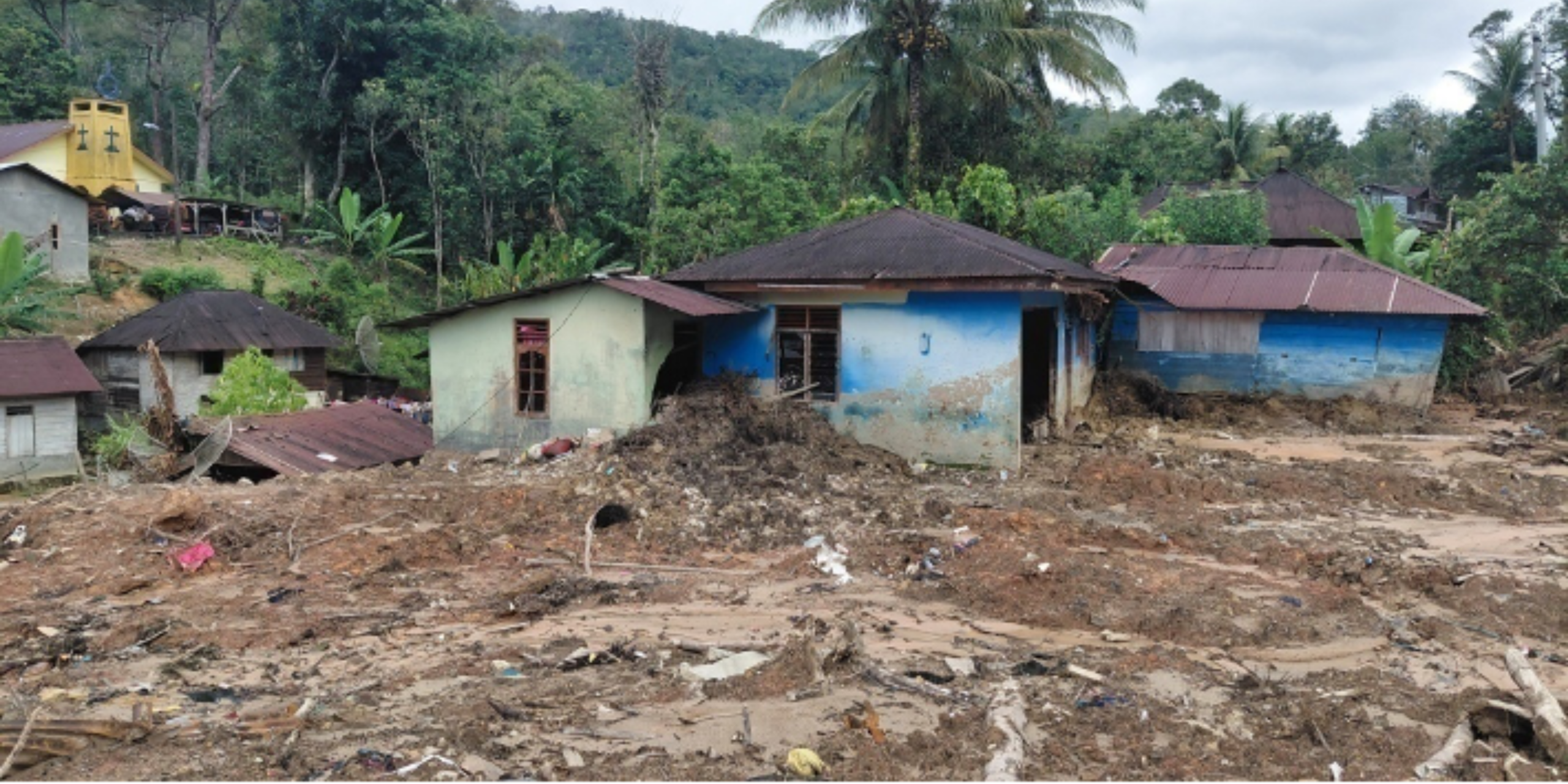
Late 2025 brought two of the most damaging disasters in recent South and Southeast Asian history: Cyclonic Storm Ditwah in Sri Lanka and the Senyar-linked floods and landslides across Sumatra, Indonesia. While the scale of these disasters was staggering (635 deaths and USD 4.1 billion in losses in Sri Lanka alone, and over 830 deaths with nearly 880,000 displaced in Indonesia), the real story lies not in the meteorological intensity of these events but in the systemic failures that allowed them to become catastrophes.
This diagnostic study, conducted by ADRRN’s Localisation hub, SEEDS, moves beyond counting casualties to ask the essential question: why did these hazards become disasters? Through root cause analysis, survey findings from affected communities, and institutional assessments across both countries, the study identifies the structural conditions, governance gaps, and system-level weaknesses that transformed climate-intensified hazards into humanitarian crises. The purpose of this study was to translate lessons from Sri Lanka and Indonesia into practical, actionable guidance for building genuine resilience across the region.
The findings reveal four persistent gaps that shaped outcomes in both countries.
Early warning systems existed but failed at the critical “last mile”. Warnings arrived too late, lacked clarity, or never reached the communities most at risk, forcing households to rely on informal networks and neighbors instead of institutional systems.
Economic disruption emerged as the most devastating and long-lasting impact, with over eighty percent of survey respondents identifying livelihood loss rather than physical damage as the primary driver of prolonged vulnerability and slow recovery.
Preparedness proved to be one of the strongest predictors of response effectiveness and recovery stability, yet it remains sporadic and under-resourced, leaving communities to improvise when disasters strike.
Finally, despite formal disaster management frameworks in both countries, implementation gaps and uneven coordination across regions and levels of government meant that systems designed to protect people often fell short when facing compound, cascading hazards that exceeded historical experience.
The study responds to these findings with the ASRAA framework, a resilience-centred approach grounded in anticipation, dignified response, livelihood recovery, adaptation, and long-term aspiration. The framework offers both ADRRN members and broader stakeholders a practical pathway for shifting disaster management from reactive relief toward continuous, anticipatory resilience-building rooted in household agency and community leadership.
To learn more about the study and the ASRRA framework, read the full report.
Download the full Report- Disaster Diagnostics Study on Recent Disasters in Srilanka and Indonesia