- November 12, 2025
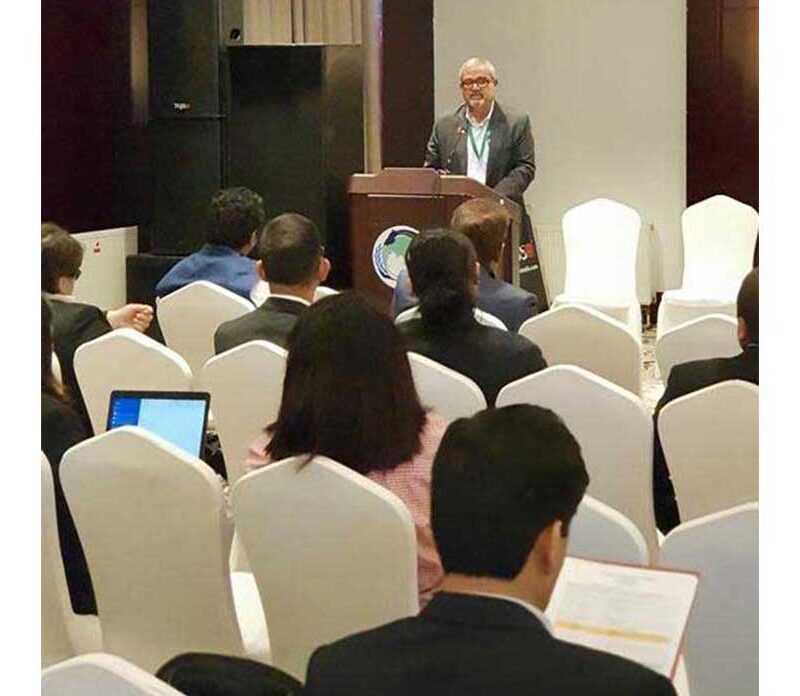
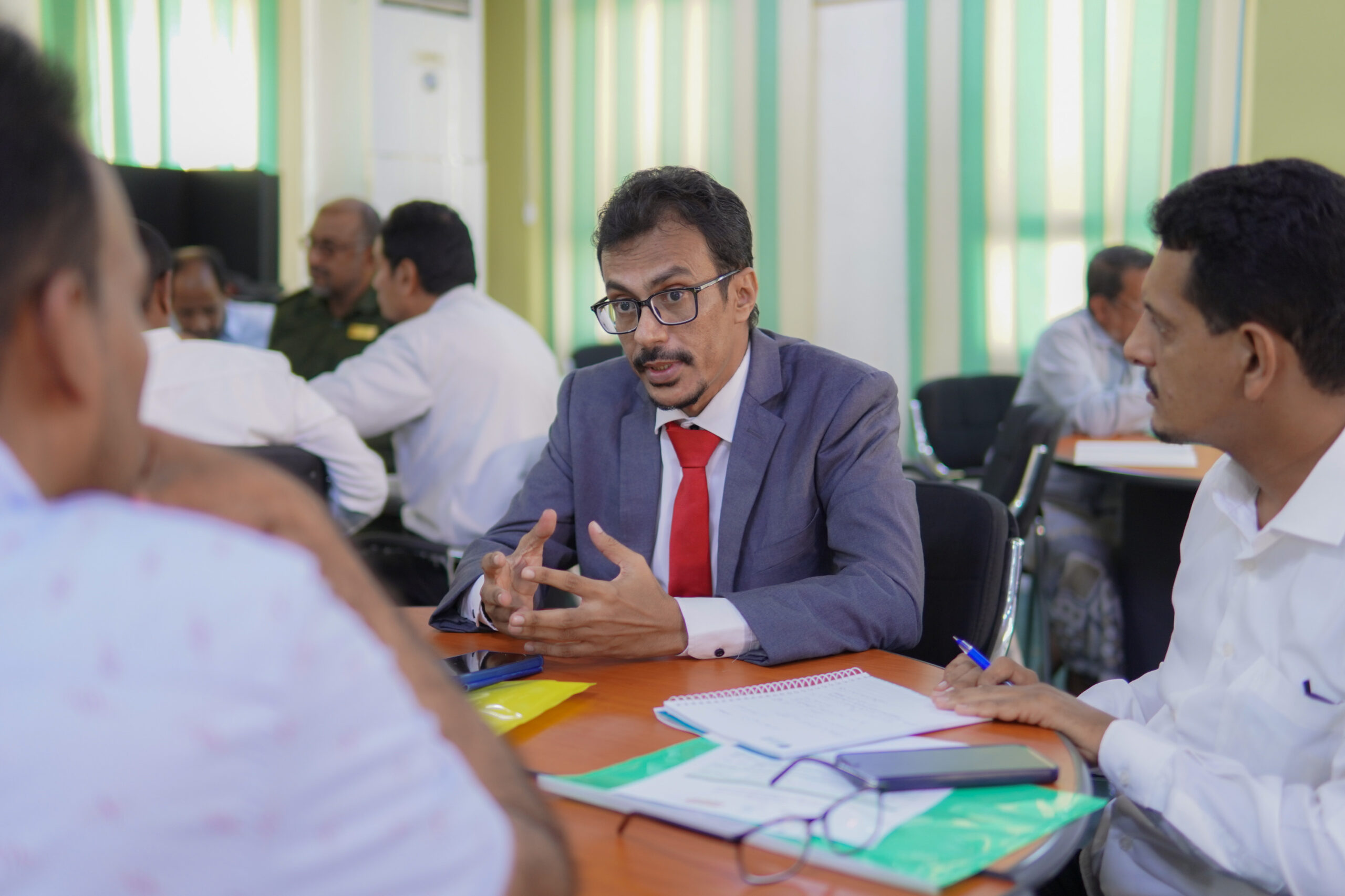
On Monday, 20 October 2025, Nahd Developmental Foundation (NDF), in partnership with the Al-Omarn Institute for Studies and Capacity Building and in coordination with the General Directorate of Administrative Development Research and Training in Coastal Hadramout, and under the auspices of the Ministry of Water and Environment and the Local Authority of Hadramout Governorate, organised a workshop entitled: “Disaster Risk Management and Financing Resilience – Current Challenges and Future Prospects,” coinciding with the International Day for Disaster Risk Reduction.
The workshop brought together directors and representatives of government offices and authorities, and featured substantive papers that linked international experience to local practice.
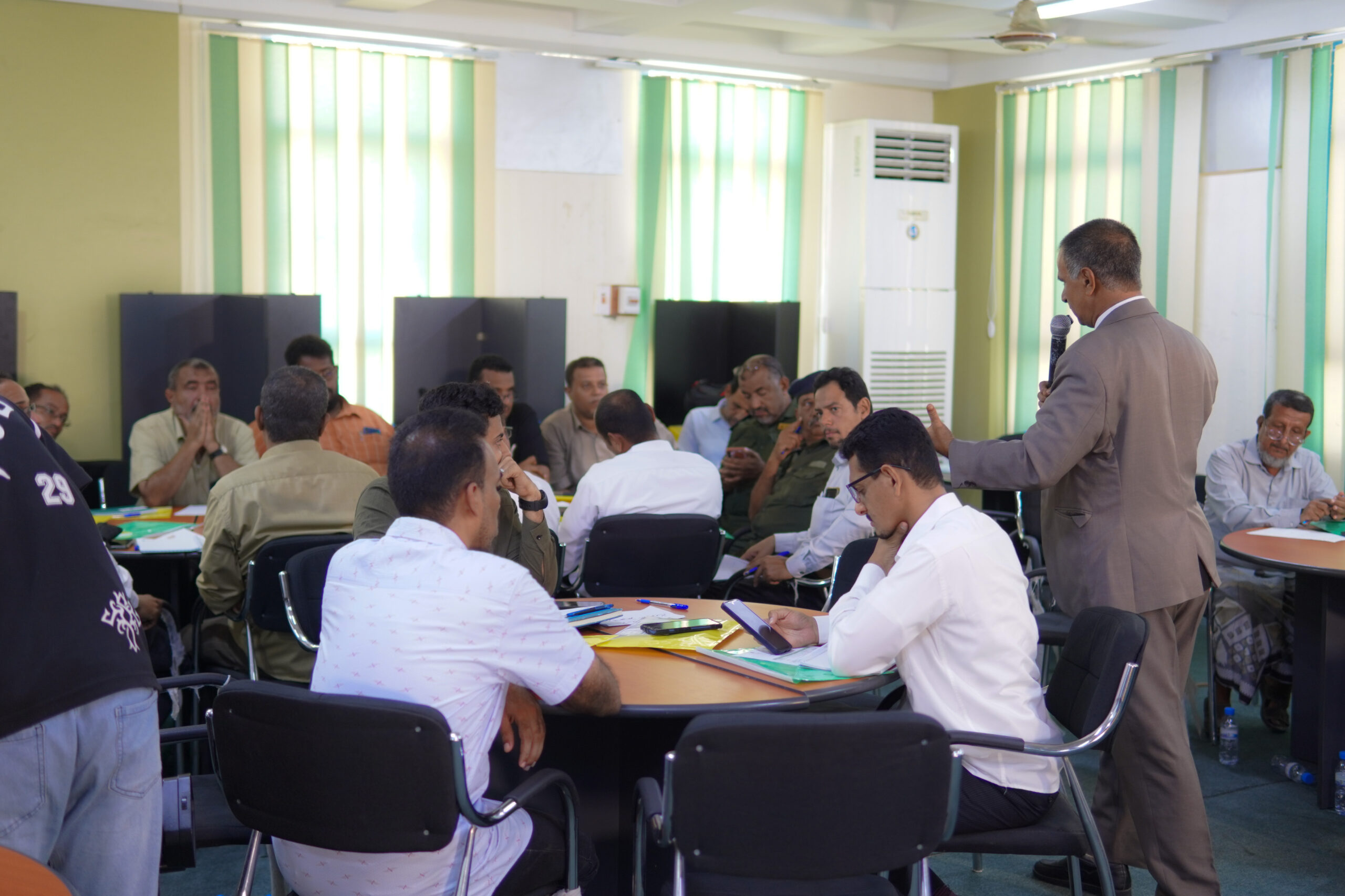
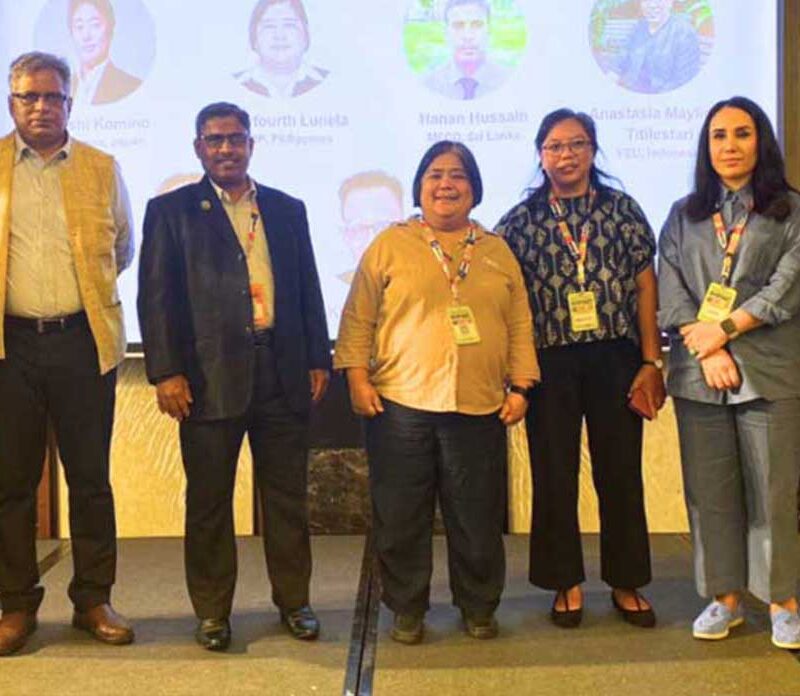
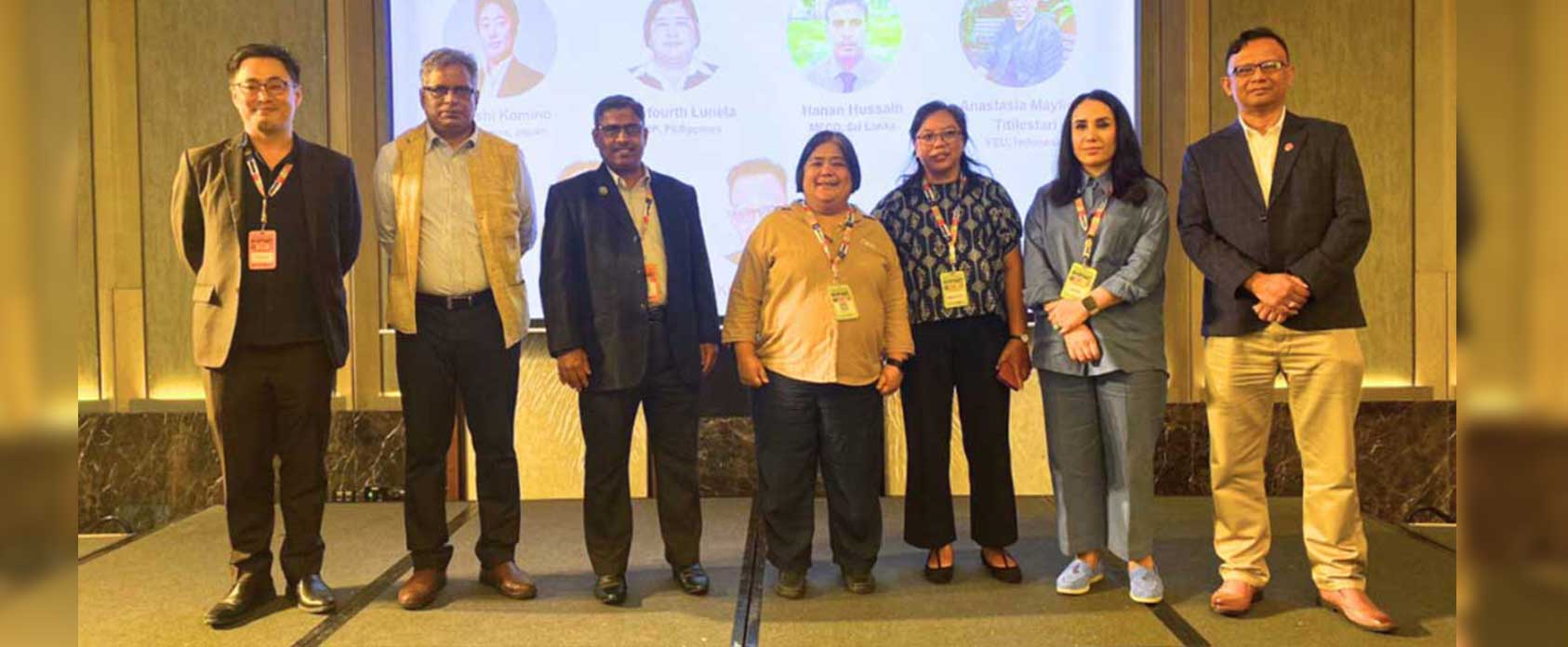
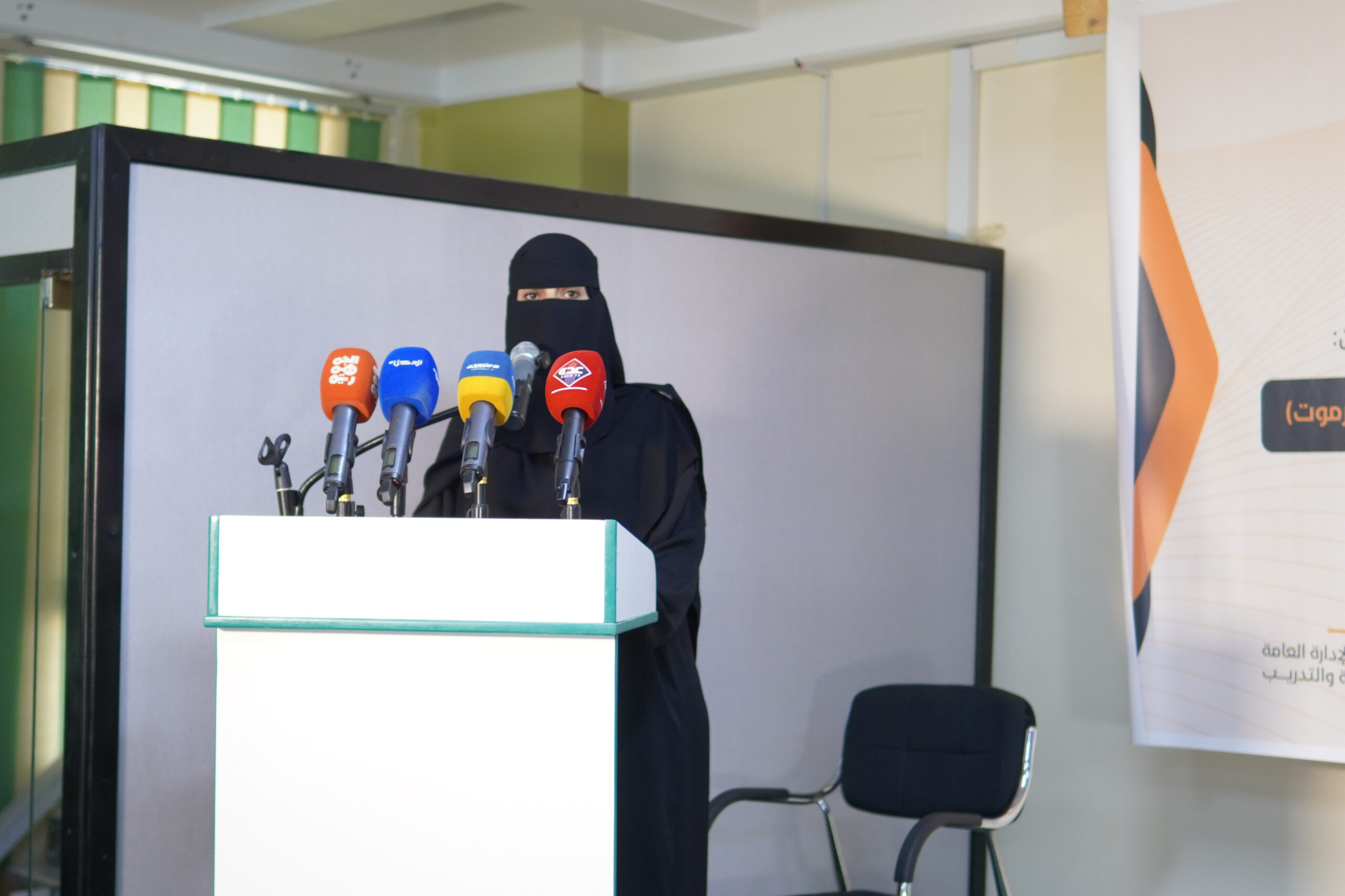
The workshop opened with a presentation by Dr. Raidan Al-Saggaf, Deputy Chief of the Regional Office for Arab States of the United Nations Office for Disaster Risk Reduction (UNDRR Arab States), who delivered a paper on the Sendai Framework for Disaster Risk Reduction—its purpose, priorities for action, and global targets—outlining global foundations for risk reduction planning. He was followed by Ms. Mayfourth Luneta, Vice Chair of the Asian Disaster Reduction and Response Network (ADRRN), who presented the Philippines as a leading international model in disaster management, translating global lessons into the regional operating context. Subsequently, Mr. Jameel Abdu Saeed, Director-General of Environmental Emergencies and the national focal point for the Sendai Framework at the Ministry of Water and Environment, presented two papers: the first, an introduction to Disaster Risk Management (DRM) and its evolution; the second, national orientations for risk management—the national strategy and coordination mechanism—demonstrating how international standards can be adapted to national needs. The session concluded with a presentation by Colonel Saeed Bin Abdulrahim, Director of the Civil Defense Authority in Coastal Hadramout, who shared the governorate’s practical experience in responding to disasters and the lessons learned, bridging global theory and local application.
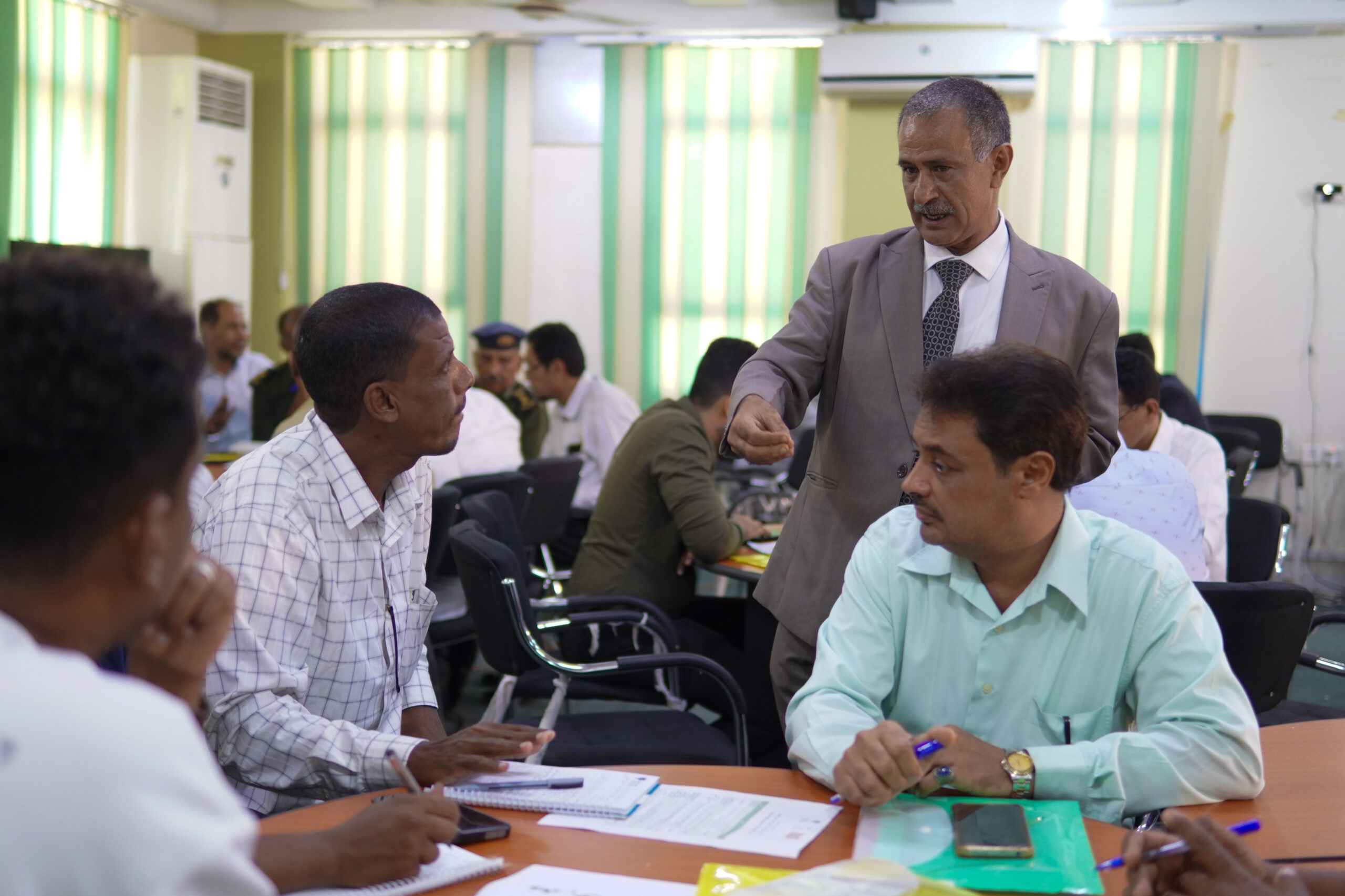
The workshop included extensive discussions and practical interventions focusing on challenges and solutions to strengthen risk governance, response, and preparedness, culminating in recommendations to reinforce resilience and build risk-informed, resilient communities.
This workshop falls within Nahd Developmental Foundation’s ongoing efforts to strengthen the DRM and empower communities to face future challenges.
Workshop Key Outcomes and Recommendations
The workshop facilitated comprehensive discussions on a range of DRR-related themes and
culminated in the adoption of local actions that are consistent with the approaches and
methodologies stipulated by the Sendai Framework for Disaster Risk Reduction. These actions are
outlined in the following recommendations:
Priority 1: Understanding Disaster Risk
1. Undertake a comprehensive disaster risk assessment at the Hadramout governorate
level.
2. Develop hazard maps detailing anticipated risks across the entire governorate.
3. Strengthen scientific research and reinforce the role of science in DRR.
4. Implement community awareness initiatives to elevate the knowledge base of citizens
and relevant authorities concerning DRR.
5. Establish and provide support for a Research and Training Center for Disaster Risk
Management, ensuring it is staffed with adequately qualified personnel.
6. Build local capacities in the field of DRR.
7. Compile, update, and disseminate statistical data from the field to all relevant
stakeholders.
8. Reinforce the function and effectiveness of the losses and damages data collection team
previously trained in Hadramout.
9. Mandate the designation of a DRR awareness day across all educational institutions,
media, and extension services within Hadramout.
10. Convene a formal DRR Forum that brings together all segments of the local community
and key stakeholders.
Priority 2: Strengthening Disaster Risk Governance
1. Formulate a local DRR strategy and accompanying implementation plan for the governorate.
2. Reinforce the local coordination mechanism for Disaster Risk Management (DRM) to
formally integrate all relevant governmental departments and stakeholders.
3. Establish a regulatory bylaw framework for DRM.
4. Formally activate the Civil Defense Council to execute its mandate in disaster
management.
5. Rigorously enforce the existing urban planning legislation and building codes.
Priority 3: Investing in Disaster Risk Reduction
1. Direct resources and external funding from international organizations and civil society
organizations toward resilience-building and disaster preparedness/response.
2. Allocate dedicated budget lines for disaster response.
3. Enhance public and private financing for DRR.
4. Establish a Disaster Risk Management Fund with an accompanying executive bylaw at the
local level.
5. Incentive insurance coverage for both public and private investments and assets.
Priority 4: Enhancing Disaster Preparedness
1. Align the governorate’s early warning services with global Early Warnings for All (EW4All)
initiative and develop a Multi-hazard Early Warning System (MHEWS) to ensure the
provision of comprehensive multi-hazard alerts in the governorate.
2. Prepare disaster response and evacuation plans.
3. Strengthen the material and human capacities for the Civil Defense apparatus.
4. Formulate post-disaster recovery plans, consistent with Build Back Better (BBB)
principles.