- January 6, 2026
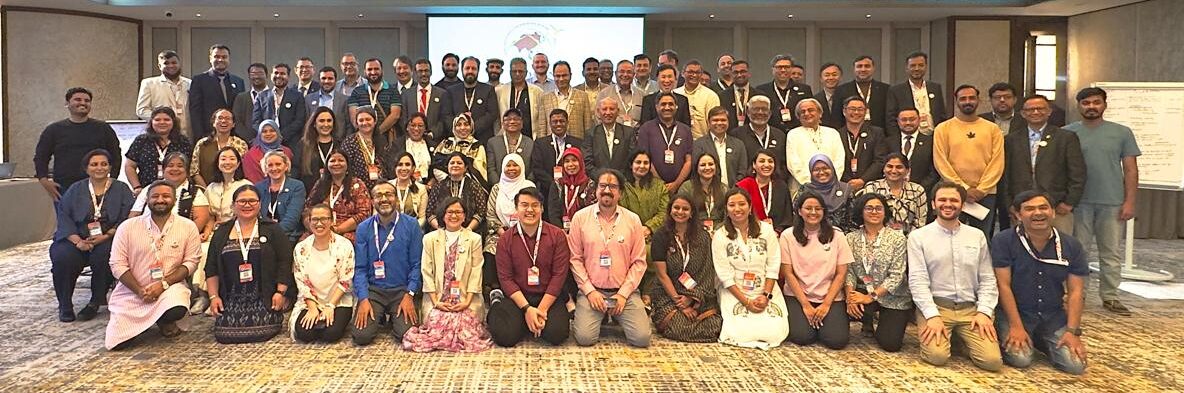
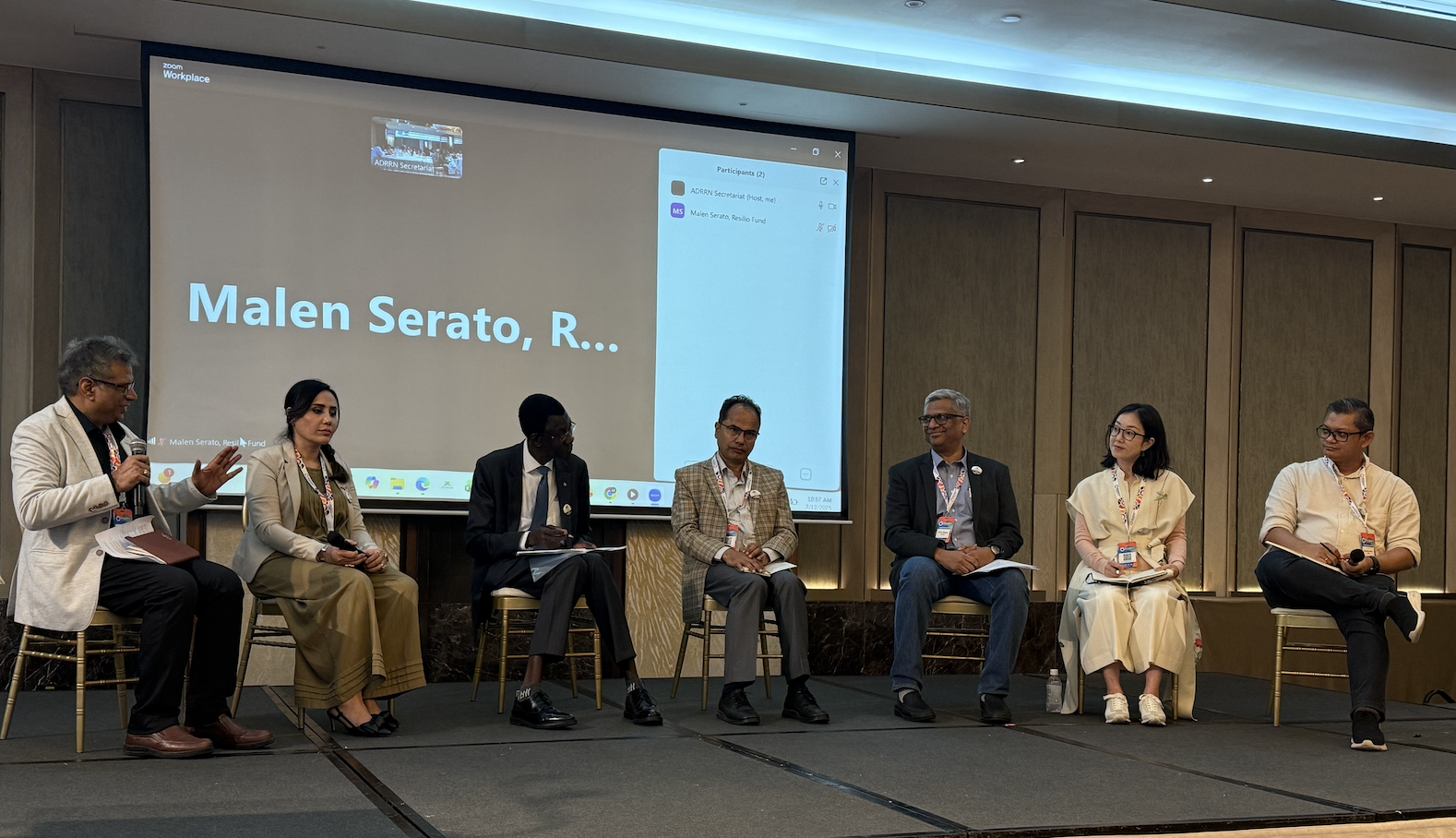
At ADRRN’s Annual General Meeting during the Regional Partnerships Week in Bangkok (7-10th December 2025), members explored what the global Humanitarian Reset means for Asia’s frontline organisations. The pan-Asian panel comprised Vincent Omuga, Head of UN OCHA Bangkok; Dr Manu Gupta, CEO and Co-founder of SEEDS India; Ikue Uchida, ADRRN Tokyo Innovation Hub, CWS Japan; Sameera Noori, COAR Afghanistan; Dharam Upreti, Practical Action Nepal; Avianto Amri, MPBI Indonesia and Malen Serato, speaking on behalf of Legatum / Resilio Fund, moderated by Sudhanshu S Singh, Sherpa of LOCAL in the Grand Bargain and ADRRN executive committee member.
With rising humanitarian needs, shrinking international resources, and growing climate-driven crises, panellists agreed that the current aid architecture must evolve. The reset, they stressed, is an opportunity to rethink leadership, funding, coordination, and community engagement, not as minor adjustments but as foundational shifts, capitalising on the courage already demonstrated by local actors.
A consistent message was the need to move beyond tokenism and centre local and national actors in decision-making. Local organisations should lead coordination platforms, receive direct and predictable funding, and shape strategies from the start. To make this viable, the reset must include investment in capacities, financial support for locally led coordination, and clearer roles across the architecture. The region’s experience shows emerging models, such as nationally led coordination mechanisms and civil-society–driven platforms. But these require co-design, safe spaces for critical reflection, and time to mature.
Panellists also highlighted that the reset must fully recognise the climate crisis. Disasters are increasing in scale and frequency, demanding a shift from reactive humanitarian relief to anticipatory action, resilience-building, and risk-informed planning. Integrating climate analysis, disaster risk reduction, and humanitarian response, still fragmented in many contexts, is essential.
Concrete examples showcased how a reset could function in practice:
- Regional pooled funds directing money to local NGOs;
- Anticipatory action systems enabling early evacuation and early funding triggers;
- Community-led micro-grant approaches that back solutions already underway;
- Innovations at the household and community level, supported by technology and ecosystem-based thinking.
Across the session, one message stood out: Asia has the leadership, knowledge, and innovation to shape its own humanitarian future. The reset will succeed only if it begins with a reset of mindsets, to those of ‘challenge accepted’, enabling collaboration, that is locally led, community-centred, and better aligned with the realities of today’s crises. As the recognised CSO convenor for the region, ADRRN will continue to champion these priorities, advocate for more predictable and flexible funding to local responders, and highlight evidence of collaboration models that genuinely shift power and resources closer to communities.
To sum up, in the words of one panellist: “Take the lead, because no one will give it to you and resources are just drying up”.