
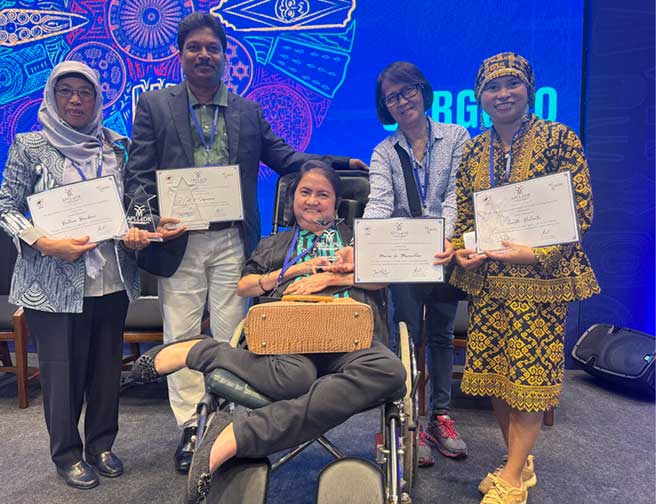
At each conference, ADRRN leads several high-visibility initiatives, including the Asia-Pacific Local Leaders Forum for Disaster Resilience awards, led by the Localisation Hub, SEEDS India. The event celebrates and showcases community-based leaders and innovators for their remarkable work towards resilience.
These platforms offer an opportunity to demonstrate the power of bottom-up resilience building and reinforce the network’s commitment to localisation, inclusion, and equitable risk governance.
The Regional Humanitarian Partnership Week
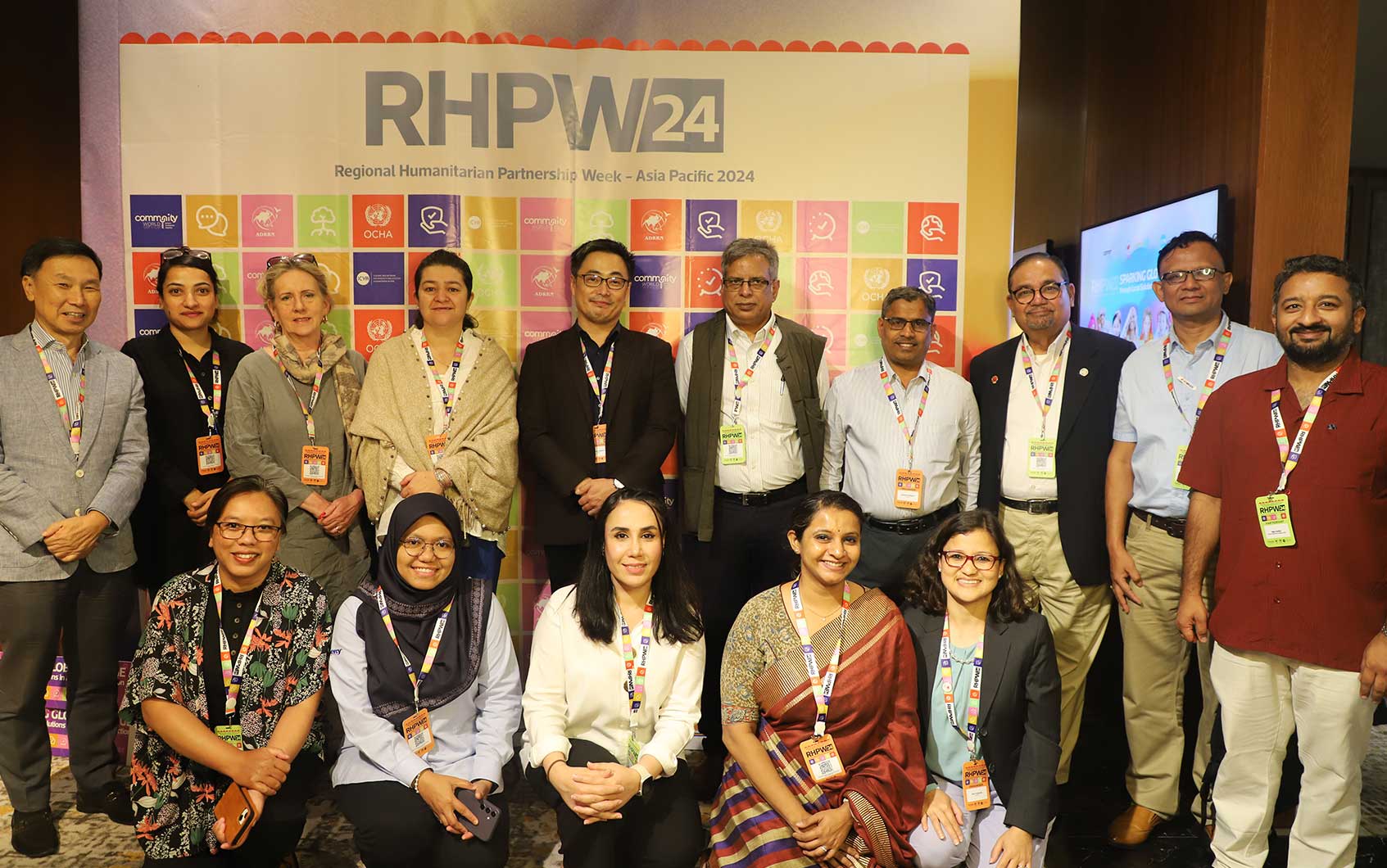
The Regional Humanitarian Partnership Week (RHPW) is an annual gathering that brings together humanitarian actors across the Asia-Pacific region to exchange knowledge, strengthen partnerships, and explore innovative solutions to emerging risks and crises. Co-organised by ADRRN, ICVA, and OCHA, RHPW provides a space for inclusive dialogue between civil society organisations, UN agencies, donors, governments, and private sector partners. The event plays a key role in advancing the localisation agenda, promoting accountability to affected populations, and ensuring that humanitarian action remains responsive, people-centred, and grounded in local realities.
ADRRN is a strategic partner of the RHPW, curating sessions that spotlight community-led responses, innovation in disaster preparedness, and regional collaboration. Through its leadership, ADRRN brings grassroots voices into
regional and global conversations, facilitates peer learning across its membership, and champions the value of local knowledge and leadership in humanitarian response. The network also uses the RHPW as a platform to launch new initiatives, share insights from the field, and showcase stories of resilience and impact from its member organisations .
ADRRN’s Annual General Meeting
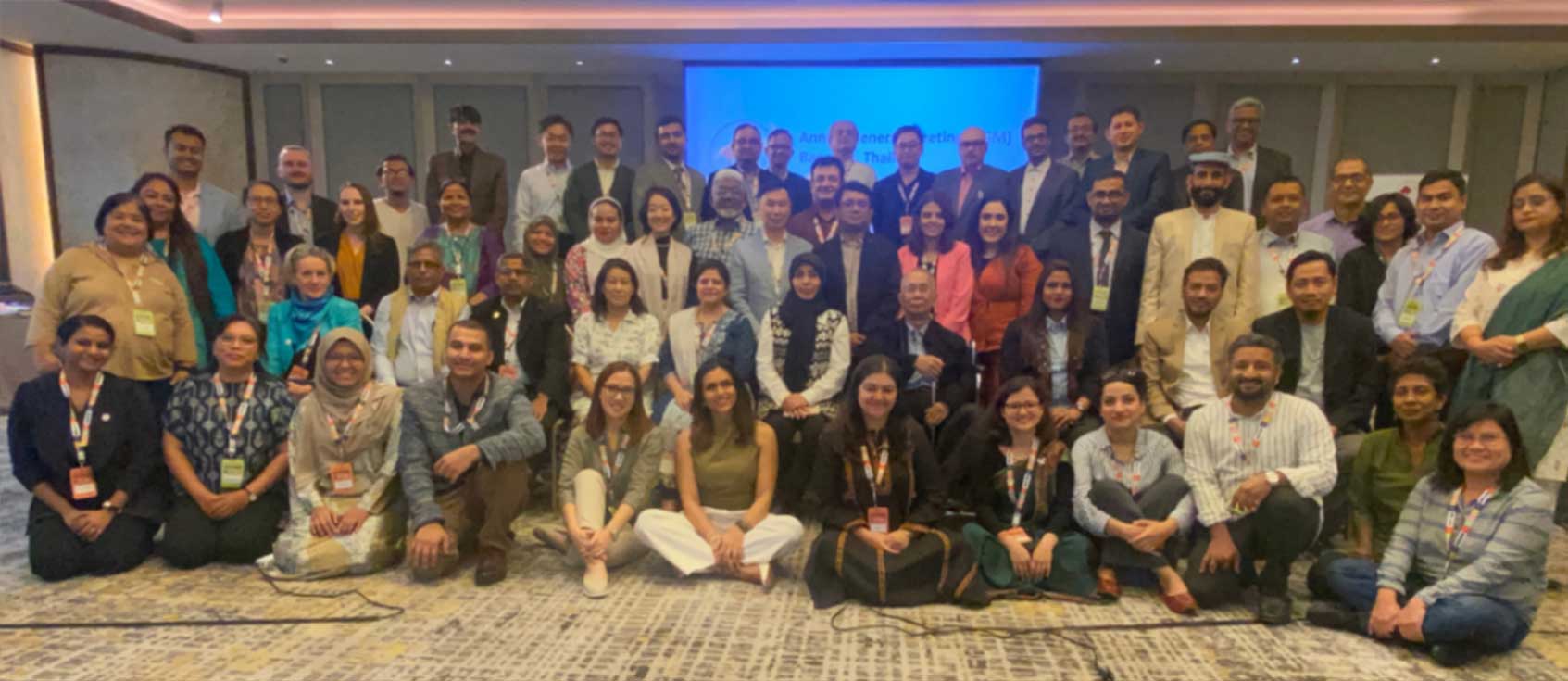 The ADRRN Annual General Meeting (AGM) is the network’s most important governance and knowledge-sharing event, bringing together members from across Asia and the Pacific to reflect, plan, and connect. Held once a year, the AGM provides a platform for reviewing progress against ADRRN’s strategic goals, discussing regional priorities in disaster risk reduction and humanitarian action, and aligning efforts to strengthen localisation and community resilience. It is also a space where members formally contribute to the network’s direction, including through the election of leadership bodies and approval of key initiatives.
More than just a procedural gathering, the AGM is a celebration of collective learning and solidarity. Each meeting features interactive sessions, partner dialogues, innovation showcases, and thematic discussions that highlight the diversity, experience, and energy of ADRRN’s membership. It is a space for sharing what works, surfacing challenges, and exploring new ideas that can shape the future of disaster risk governance in the region.